
This session offers a grounding in what data centers are and how they function, the trade-offs of hosting them, and key utility and grid considerations. It covers the state policies and incentives shaping where and how data centers are built, environmental regulations and infrastructure demands, and zoning recommendations for local governments. The session then turns to community benefit agreements (CBAs). Attendees will learn what a CBA is, what to consider before entering one, what can and cannot be negotiated with developers, and how to tell whether an agreement actually has teeth. Printed resources and links will be shared.
Meet the Speakers
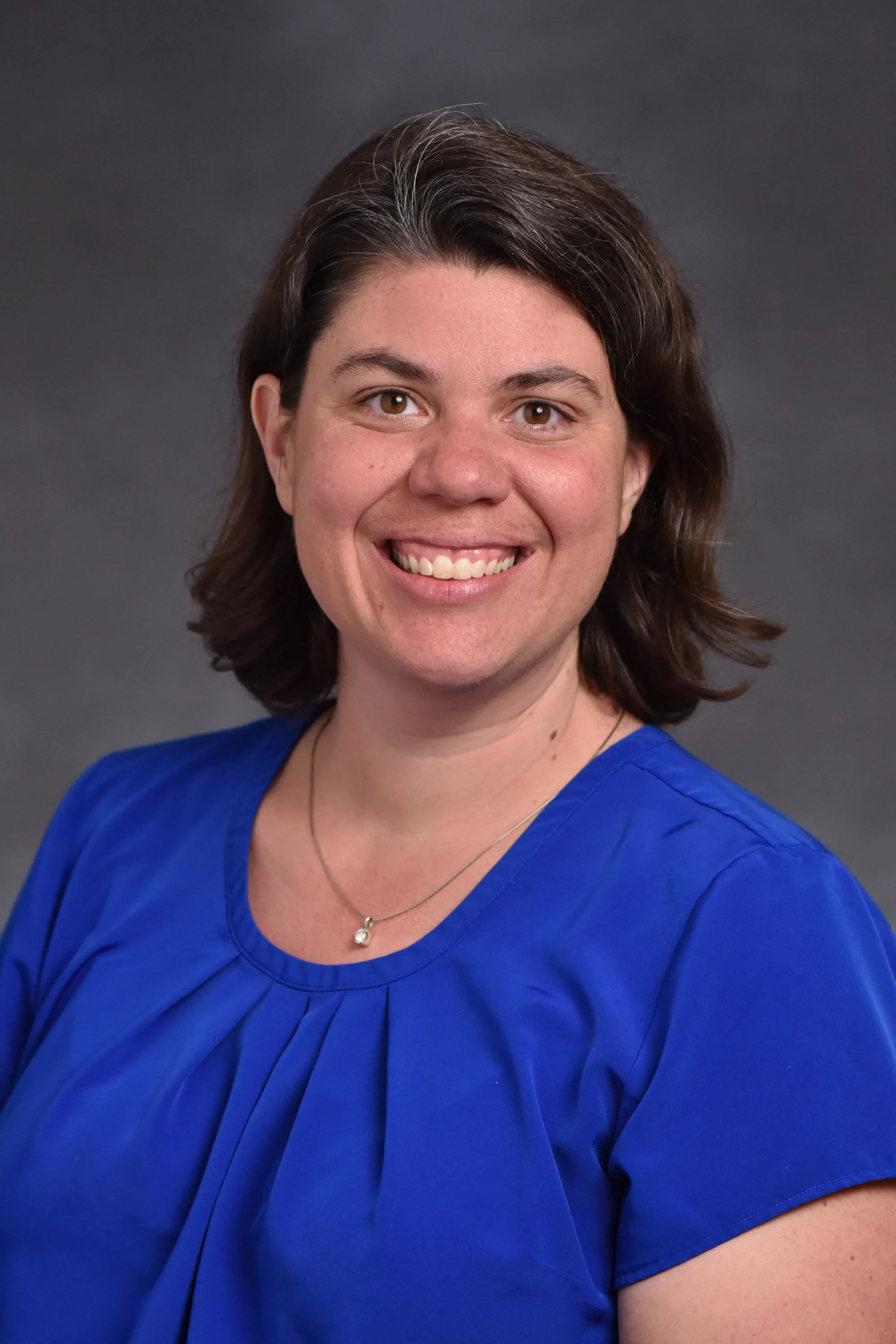
Dr. Sarah Mills
Professor of Practice at the University of Michigan's Urban & Regional Planning program and the Director of UM's Center for EmPowering Communities
For the last several years, she and her team have received funding from the Michigan Department of Environment, Great Lakes, and Energy to help Michigan local governments understand the pros and cons of different energy sources and understand their options in setting policies, especially related to zoning. Sarah has a PhD in Urban and Regional Planning at the University of Michigan, a master's in engineering for sustainable development from the University of Cambridge, and a bachelor's degree in mechanical engineering from Villanova University. She grew up on a farm in Monroe County, Michigan but now lives in Ann Arbor where she serves on the City Planning Commission. Read Full Bio.
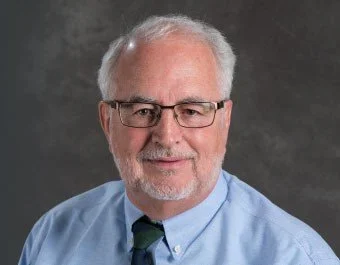
Dr. Rex LaMore
Director Emeritus of the Michigan State University's Center for Community Economic Development and a member of the faculty of the Urban and Regional Planning Program.
Dr. LaMore has over 50 years of experience in Community and Economic Development and has focused his career on the unique challenges of revitalizing distressed communities and issues and practices related to equitable development that can help communities and regions begin to reverse patterns of segregation and disinvestment, prevent displacement, and promote equitable revitalization in an environmentally sustainable manner.
Dr. LaMore provides leadership at Michigan State University on a number of federal, foundation and privately funded research and outreach University/Community partnerships. His current research has focused on the “Science of Domicology”. The term “Domicology” coined by Dr. LaMore, recognizes that our built environment has a life cycle and we should plan, design, use, reuse, and eventually deconstruct the structures in our built environment that maximizes the salvage of structural materials, ends blight and abandonment in our communities and creates a new circular economy ecosystem. A number of Dr. LaMore's publications, research reports and handbooks are available at the CCED Website.
Dr. LaMore served as President for the Michigan Association of Planning 2016-17 and served as a commissioner on the Williamstown Township Planning Commission for over 15 years. Read Full Bio.