Southwest Michigan Civic Learning Sessions
Free and open to the public. The Civic Learning Session series is designed to provide balanced, research-informed perspectives on three key focus areas: Data Centers, the Digital Economy & Local Job Creation; Farmland Preservation, Local Ownership & Value-Added Agriculture; and Housing Affordability, Density & Zoning. The sessions introduce core concepts, explore trade-offs, and elevate community questions to build a stronger, shared understanding of complex and evolving issues.
Insights from these conversations will be summarized and used to inform potential future planning and community discussions, as well as tools and resources that improve public access to information. These sessions are not decision-making forums and do not determine specific outcomes but instead help ensure that future conversations and decisions are better informed and grounded in community perspectives. RSVP below!
Facilitated by Education Access Consulting on behalf of Southwest Michigan Planning Commission
Session Details
-
Data Centers, the Digital Economy & Local Job Creation
Date: Thursday, August 27, 2026
Time: 6:00 - 8:00 p.m.
Location: Van Buren Conference Center, Red Haven Room, 490 S Paw Paw St, Lawrence, MI 49064
Format: In-person session, with livestream (via Zoom webinar) and recording available. -
Farmland Preservation, Local Ownership, and Value Added Agriculture
Date: Tuesday, September 29, 2026
Time: 6:00 - 8:00 p.m.
Location: Southwestern Michigan College campus, Mathews Conference Center, 58900 Cherry Grove Road, Dowagiac, MI 49047
Format: In-person session, with livestream (via Zoom webinar) and recording available. -
Housing Affordability, Density & Zoning
Date: October 28, 2026
Time: 6:00 - 8:00 p.m.
Location: Andrews University, Andreasen Center for Wellness, Beijing Room. 8750 West Campus Circle Dr. Berrien Springs MI 49104.
Format: In-person session, with livestream (via Zoom webinar) and recording available.
RSVP

Data Centers, the Digital Economy & Local Job Creation
Session 1 of 3
Date: Thursday, August 27, 2026
Time: 6:00 - 8:00 p.m.
Location: Van Buren Conference Center, Red Haven Room, 490 S Paw Paw St, Lawrence, MI 49064
Format: In-person session. This session will be recorded and posted to the Southwest Michigan Planning Commission's website. Livestream (channel TBA).
Speakers:
Dr. Sarah Mills, Professor of Practice, University of Michigan Urban & Regional Planning; Director, UM Center for EmPowering Communities
Dr. Rex LaMore, Director Emeritus, Michigan State University Center for Community Economic Development
This session offers a grounding in what data centers are and how they function, the trade-offs of hosting them, and key utility and grid considerations. It covers the state policies and incentives shaping where and how data centers are built, environmental regulations and infrastructure demands, and zoning recommendations for local governments. The session then turns to community benefit agreements (CBAs). Attendees will learn what a CBA is, what to consider before entering one, what can and cannot be negotiated with developers, and how to tell whether an agreement actually has teeth. Printed resources and links will be shared.
Meet the Speakers
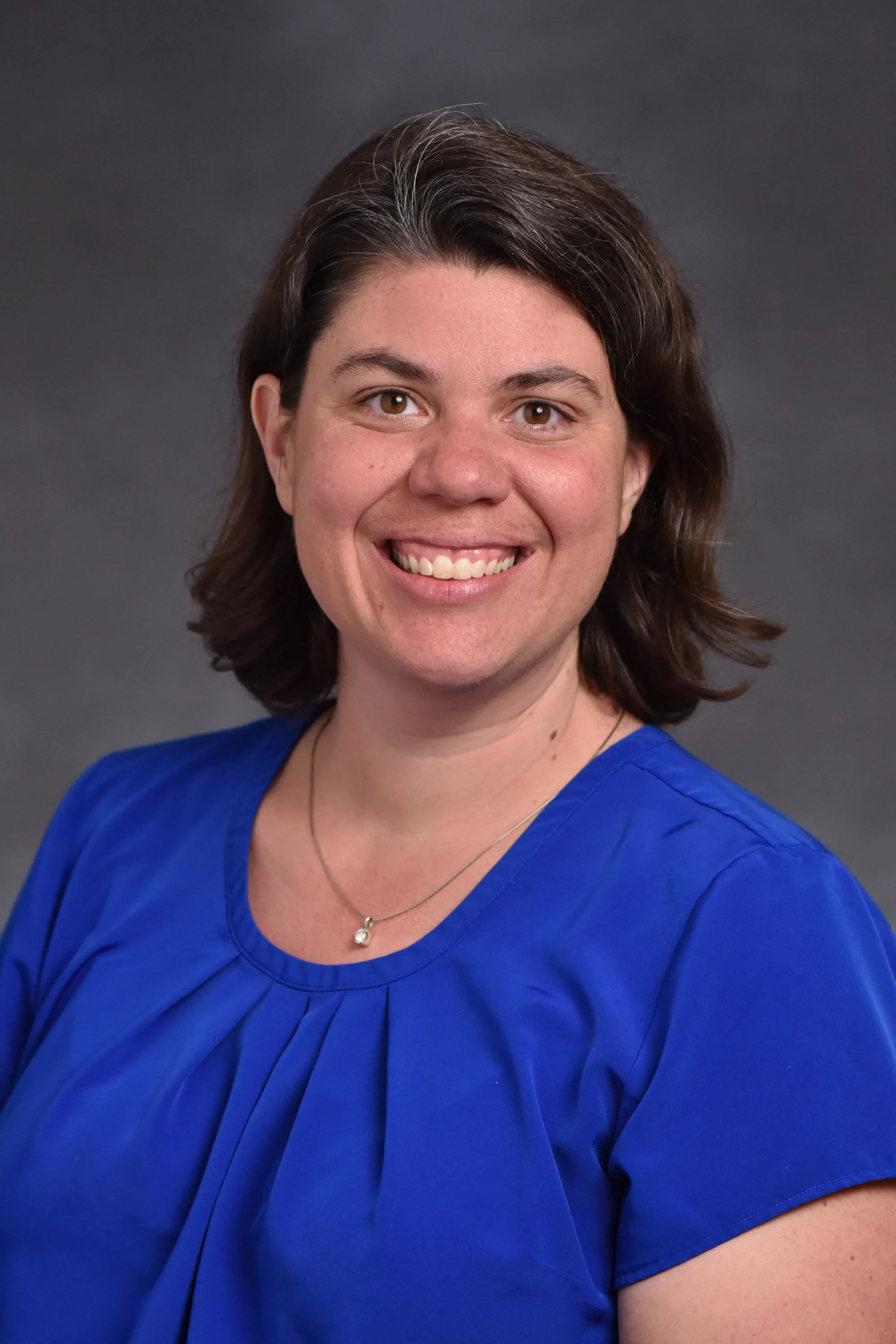
Dr. Sarah Mills
Professor of Practice at the University of Michigan's Urban & Regional Planning program and the Director of UM's Center for EmPowering Communities
For the last several years, she and her team have received funding from the Michigan Department of Environment, Great Lakes, and Energy to help Michigan local governments understand the pros and cons of different energy sources and understand their options in setting policies, especially related to zoning. Sarah has a PhD in Urban and Regional Planning at the University of Michigan, a master's in engineering for sustainable development from the University of Cambridge, and a bachelor's degree in mechanical engineering from Villanova University. She grew up on a farm in Monroe County, Michigan but now lives in Ann Arbor where she serves on the City Planning Commission. Read Full Bio.
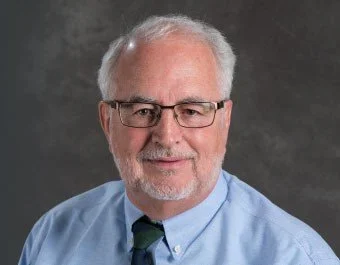
Dr. Rex LaMore
Director Emeritus of the Michigan State University's Center for Community Economic Development and a member of the faculty of the Urban and Regional Planning Program.
Dr. LaMore has over 50 years of experience in Community and Economic Development and has focused his career on the unique challenges of revitalizing distressed communities and issues and practices related to equitable development that can help communities and regions begin to reverse patterns of segregation and disinvestment, prevent displacement, and promote equitable revitalization in an environmentally sustainable manner.
Dr. LaMore provides leadership at Michigan State University on a number of federal, foundation and privately funded research and outreach University/Community partnerships. His current research has focused on the “Science of Domicology”. The term “Domicology” coined by Dr. LaMore, recognizes that our built environment has a life cycle and we should plan, design, use, reuse, and eventually deconstruct the structures in our built environment that maximizes the salvage of structural materials, ends blight and abandonment in our communities and creates a new circular economy ecosystem. A number of Dr. LaMore's publications, research reports and handbooks are available at the CCED Website.
Dr. LaMore served as President for the Michigan Association of Planning 2016-17 and served as a commissioner on the Williamstown Township Planning Commission for over 15 years. Read Full Bio.
Farmland Preservation, Local Ownership, and Value Added Agriculture
Session 2 of 3
Date: Tuesday, September 29, 2026
Time: 6:00 - 8:00 p.m.
Location: Southwestern Michigan College campus, Mathews Conference Center, 58900 Cherry Grove Road, Dowagiac, MI 49047
Format: In-person session. This session will be recorded and posted to the Southwest Michigan Planning Commission's website. Livestream (channel TBA).
Speakers:
Dr. William Knudson, Professor & Product Marketing Economist, MSU Product Center Food • Ag • Bio
Harmony Fierke-Gmazel, Government and Community Vitality Educator, MSU Extension
This session examines land use policy and agriculture in Michigan. Topics include solar siting regulations under Public Act 231/233, local zoning policy, and agritourism as a strategy for farm viability, along with clean energy development and the tradeoffs it presents for agricultural land.
The session will also cover the current economics of Michigan farmland — including who owns it, how it's being used, and where key trends are headed. The presentation will explore cooperative models and value-added processing as strategies for helping farmers capture more value from what they produce, and will consider how these approaches can support more locally rooted food economies.
Additional resources:
MSUE Co-ops 101: How cooperatives work and the basic steps of development
Meet the Speakers
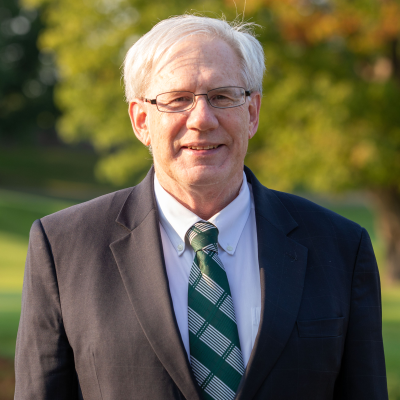
Dr. William Knudson
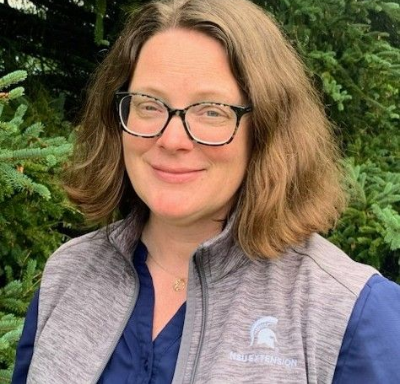
Professor & Product Marketing Economist, Michigan State University Product Center Food • Ag • Bio
Dr. Knudson will walk attendees through the current economics of Michigan farmland - who owns it, how it's being used, and where key trends are headed. He will also explore cooperative models and value-added processing as strategies that may help farmers capture more value from what they grow, and discuss how these approaches can contribute to stronger, more locally rooted food economies.
Harmony Fierke-Gmazel
Government and Community Vitality Educator, Michigan State University
Fierke-Gmazel will speak on the intersection of land use policy and agriculture in Michigan, covering solar siting regulations under Public Act 233, zoning policy, and agritourism as a tool for farm viability. She will also address clean energy development and tradeoffs.
Housing Affordability, Density & Zoning
Session 3 of 3
Date: Wednesday, October 28, 2026
Time: 6:00 - 8:00 p.m.
Location: Andrews University, 8750 West Campus Circle Dr., Berrien Springs MI 49104
Format: In-person session.This session will be recorded and posted to the Southwest Michigan Planning Commission's website. Livestream (channel TBA).
Speakers: Greg Bird, Program Manager, Workforce Housing, Allen Edwin Homes; Second speaker to be announced soon.
Meet the Speaker
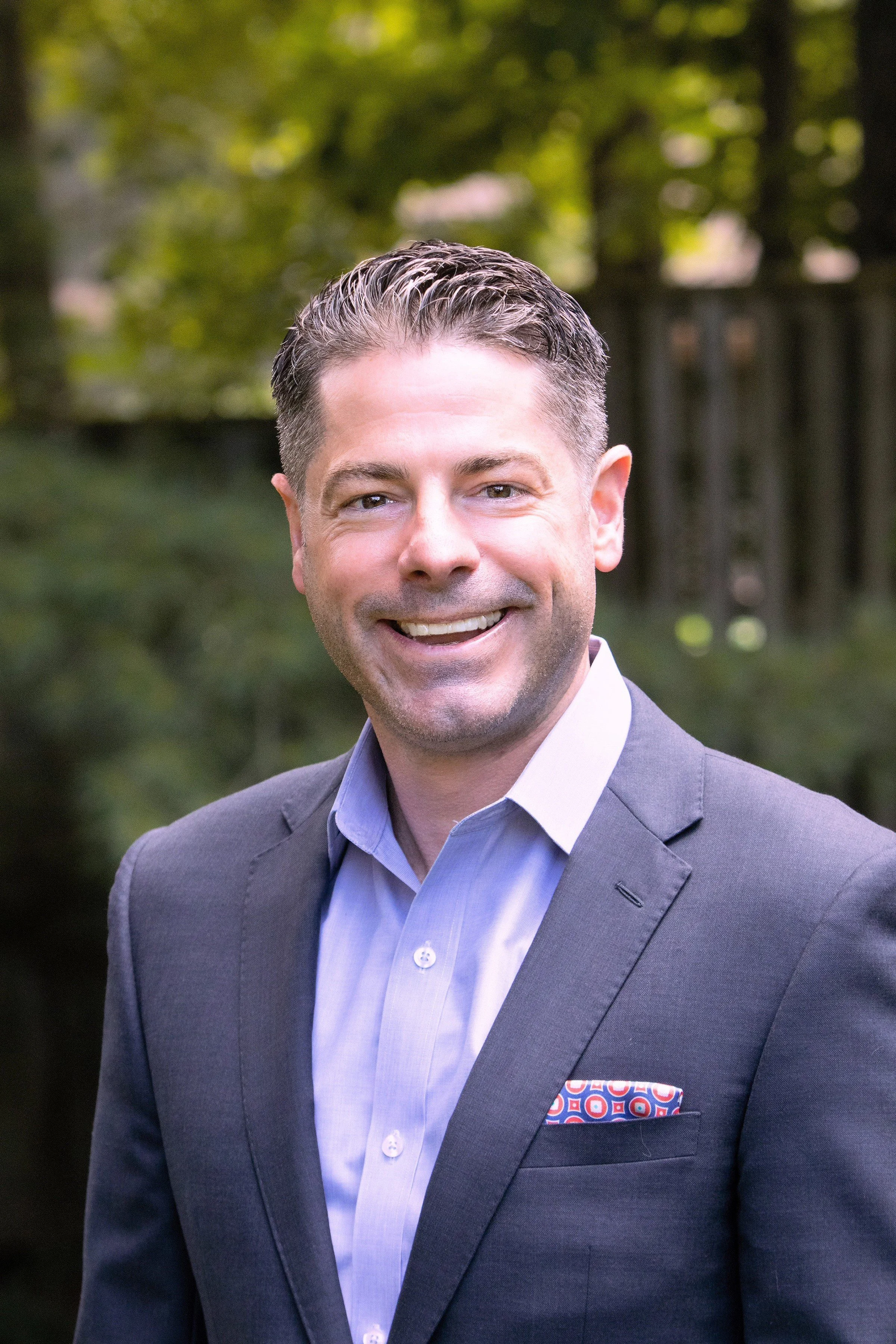
Greg Bird
Program Manager, Workforce Housing, Allen Edwin Homes
For three decades, Greg Bird has built a career at the intersection of public policy, legislative strategy, communications, and economic development. He has advised candidates, elected officials, state leaders, business executives, and community stakeholders on navigating complex governmental and public affairs challenges across Michigan.
Greg currently serves as Program Manager for Workforce Housing at Allen Edwin Homes, where he focuses on expanding housing opportunities and supporting workforce housing initiatives across the state. Allen Edwin Homes is Michigan’s largest homebuilder, and Greg works closely with local governments, economic development organizations, and community leaders to advance housing solutions that strengthen communities and provide attainable, high-quality homes for Michigan families.
Previously, Greg served as Managing Director of Legislative and External Affairs for the Michigan Economic Development Corporation, leading legislative engagement and external stakeholder relations on behalf of the state’s lead economic development organization.
A graduate of Michigan State University’s James Madison College, Greg brings deep expertise in legislative affairs, public relations, strategic communications, and government relations. He lives in the Lansing area with his wife, Trisha, their son and two crazy dogs.